
Rabat surprises groups who expect a city of ministries. The capital of Morocco since 1912 is also one of its most pleasant cities to walk: wide avenues, gardens, an estuary, and a historic heart listed by UNESCO in 2012. Between Casablanca and the imperial cities of the interior, it deserves more than a photo stop from the coach.
Why give Rabat a whole day?
Because its main sites sit close to one another but tell very different stories: a minaret from the twelfth century that was never finished, a royal mausoleum, a fortress over the ocean, a Roman and Merinid necropolis. In one day, a group covers eight centuries without long transfers. The city is also calm and easy to move around, which makes it a gentle stage after a long flight or before the medinas of Fes and Meknes.
In which order should you visit?
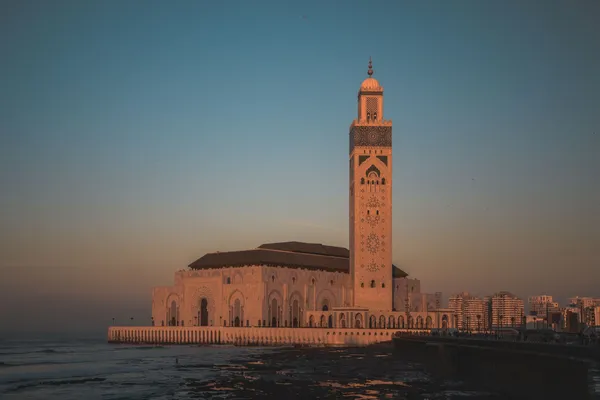
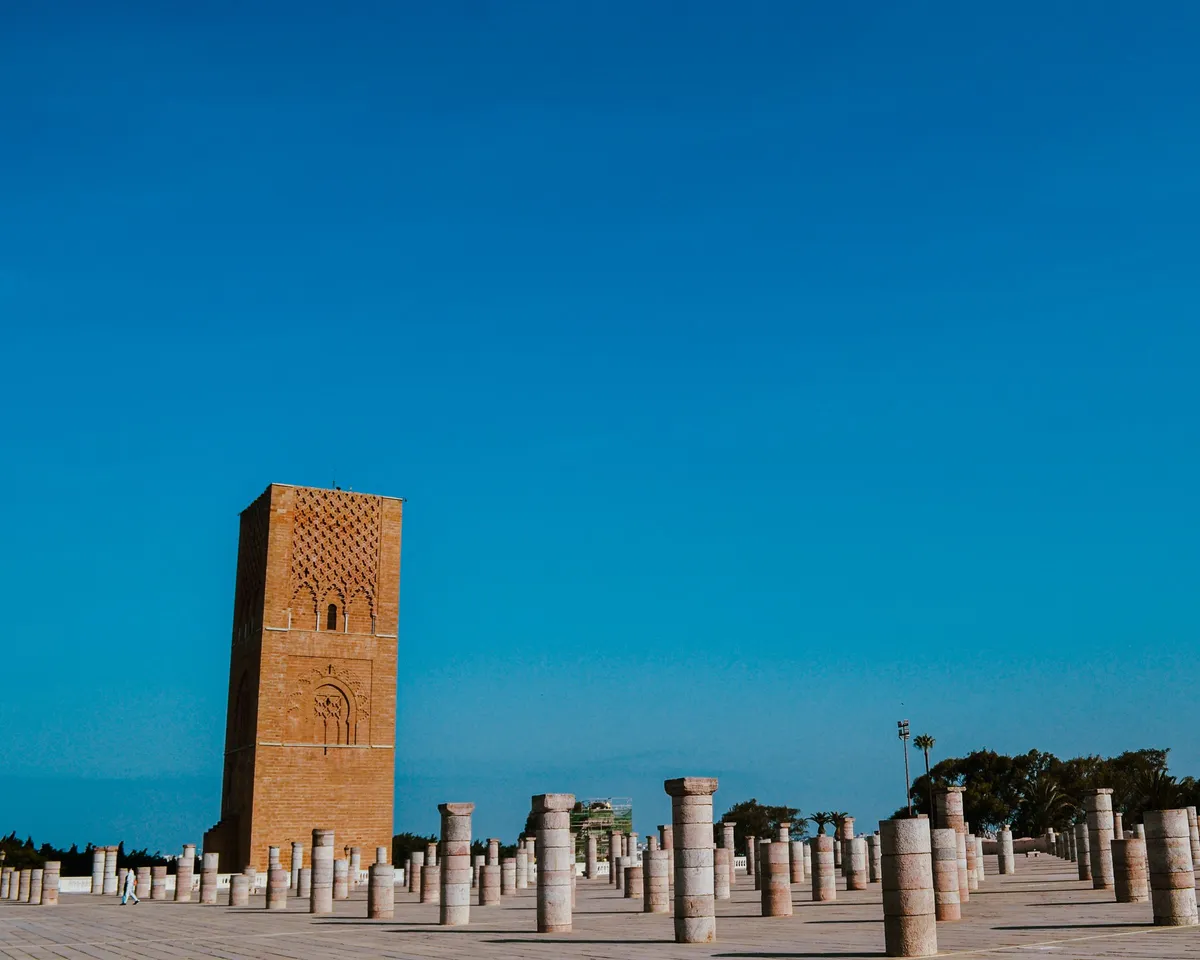
- Early morning, the Hassan Tower. The minaret of a great mosque begun by the Almohad sultan Yacoub el Mansour, standing over rows of columns. The esplanade has little shade, so it is best seen before the heat.
- Next, the Mohammed V Mausoleum, facing the tower, where Mohammed V and Hassan II rest. Guards in ceremonial dress stand at the entrance.
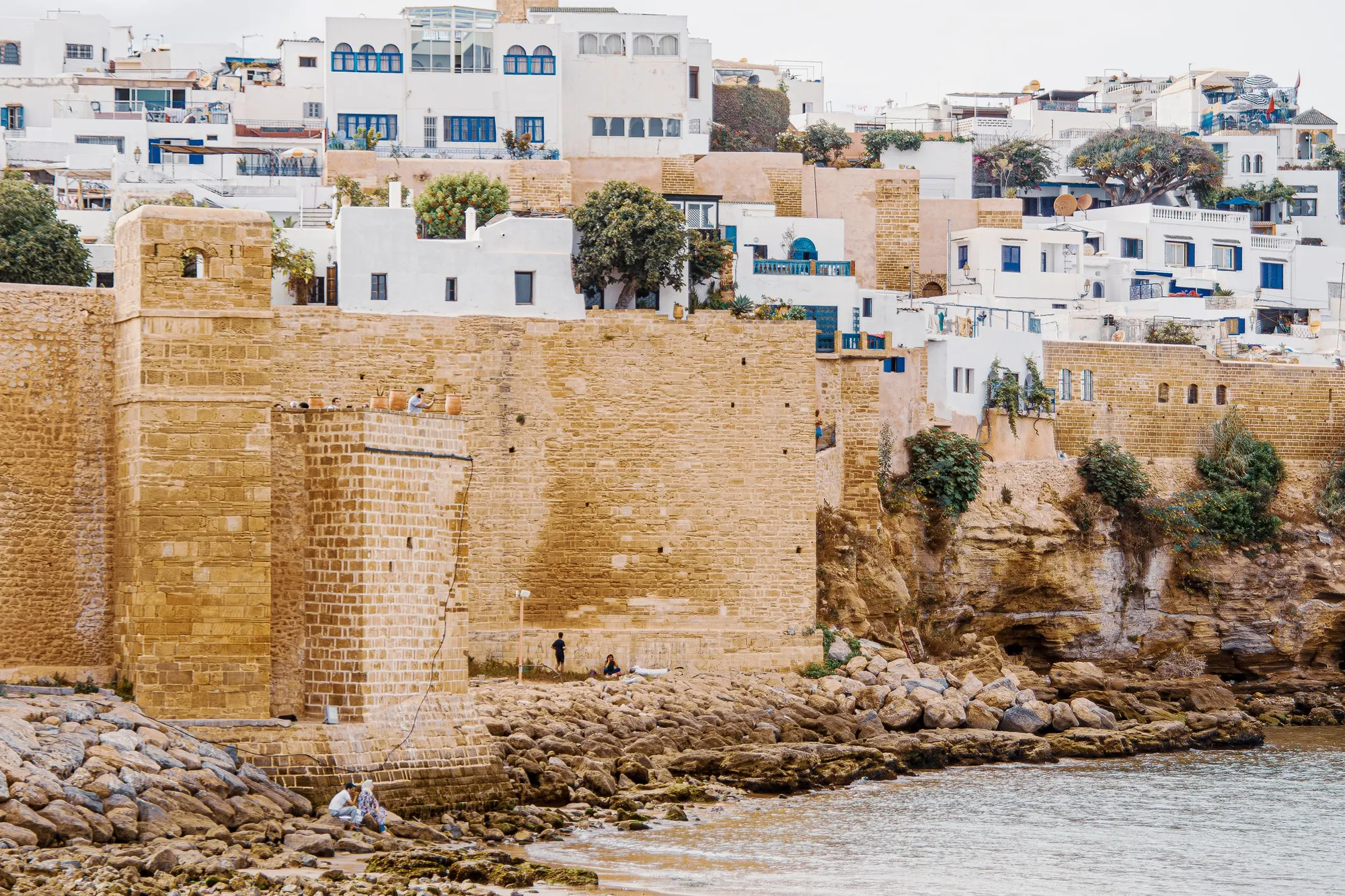
- Late morning, the Kasbah of the Udayas: a monumental gate, white and blue lanes, the Andalusian garden and the view over the estuary towards Salé. Lunch nearby.
- Afternoon, the Chellah, where Roman ruins and Merinid tombs lie among fig trees and nesting storks. Or the medina and its souks for a freer end of the day.
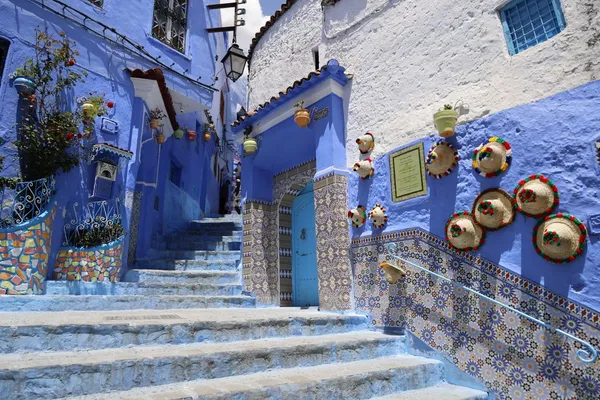
Behind the gate of the Udayas, the capital suddenly lowers its voice: white walls, blue doors, and the sound of the ocean below.
What should the group know before the mausoleum?
That it is a place of memory for the whole country. Dress is modest, voices stay low, and the visit is short: about half an hour is enough. A word from the guide on the coach, before arriving, sets the right tone better than a reminder at the door.
What comes before and after Rabat?
Usually the coast before, the imperial cities after. Casablanca makes the natural stage the day before; from Rabat the road then heads inland, about two hours to Meknes and two and a half to Fes. The fast train also puts it about an hour and twenty minutes from Tangier, which opens a northern route. Our itinerary design page shows how such stages are combined.