
Agencies are selling February and March departures right now, and in 2027 those weeks include Ramadan. Many clients ask whether to move their dates. In most cases the trip works very well, as long as the programme follows the rhythm of the month instead of fighting it.
When does Ramadan fall in 2027?
The fasting month should run from about 8 February to about 9 March 2027, with Eid al Fitr straight after. The exact first and last days depend on the sighting of the new moon and are confirmed by the authorities only the evening before, so contracts and programmes should allow one day either way. Morocco also usually sets its clocks back one hour for the month, then forward again after the feast: every flight, transfer and guide appointment around those two dates deserves a second check. March departures are covered in more detail in Why travel to Morocco in March?
What changes in a group's day?
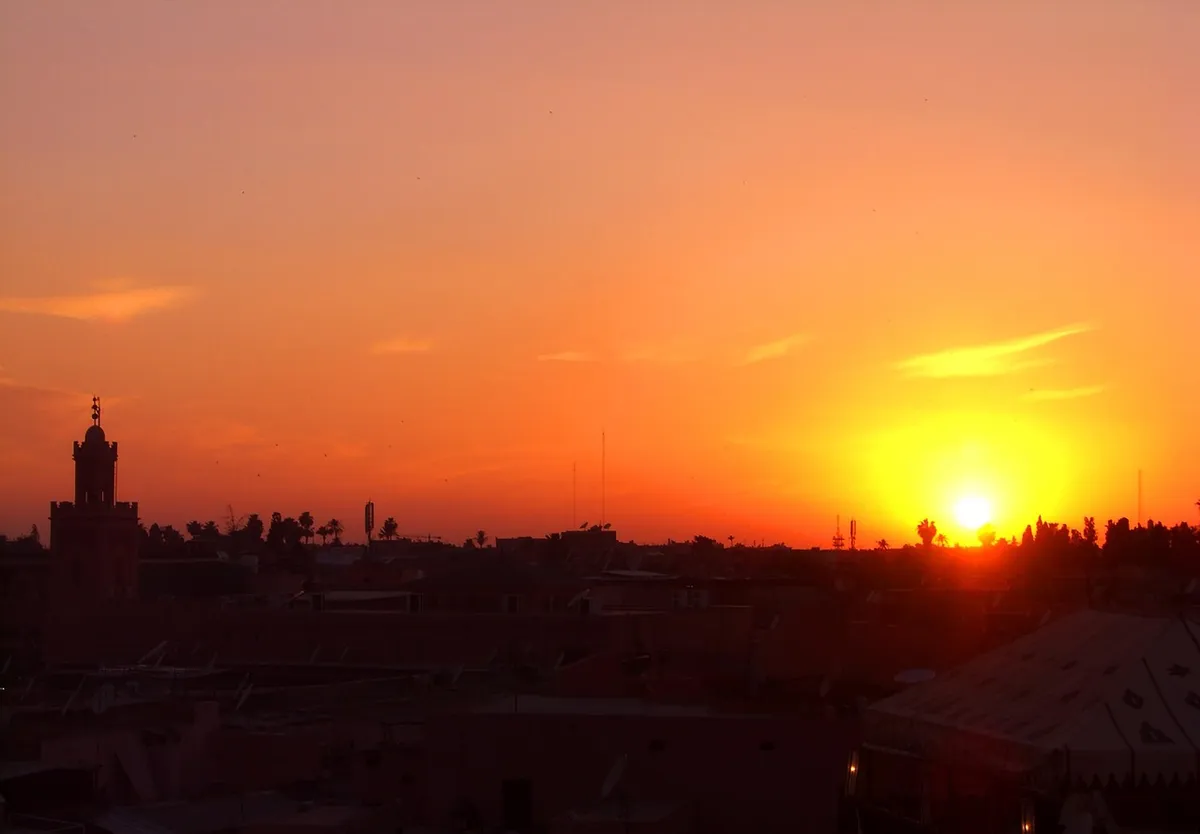
Mornings look almost normal: monuments, museums and gardens open, sometimes with shorter hours, and the medinas are calm. The early part of the afternoon is the quietest moment, when many shops close for a few hours. Then, just before sunset, the whole country heads home to break the fast, the streets empty within minutes, and after the meal the cities come back to life until late at night, with families out walking and the souks busy again.
How should transfers and meals be timed?
The hour before sunset is the one to keep free of road time: traffic peaks as everyone drives home, and drivers and guides who fast will want to stop at the moment the call to prayer announces the meal. Long drives are better planned in the morning. For meals, hotels and restaurants used to receiving visitors serve lunch as usual, while small local cafés often close during the day. Some bars and shops stop selling alcohol for the month; hotels generally keep serving their own guests. Our transport planning takes these hours into account from the first draft.
During Ramadan, the cities empty at sunset and fill again an hour later, louder and happier than before.
What does the month offer travellers?
Ramadan evenings are a side of Morocco most visitors never see. A group can share a ftour, the meal that breaks the fast, with soup, dates and honey pastries, then walk through a medina at its liveliest, around ten in the evening. The weeks also bring calmer monuments and good availability in riads, since many European travellers avoid the period. Travelling respectfully is simple: eat and drink discreetly in public during the day, dress modestly and avoid loud gatherings near mosques. A DMC in Morocco adapts the programme to the month as a matter of routine.