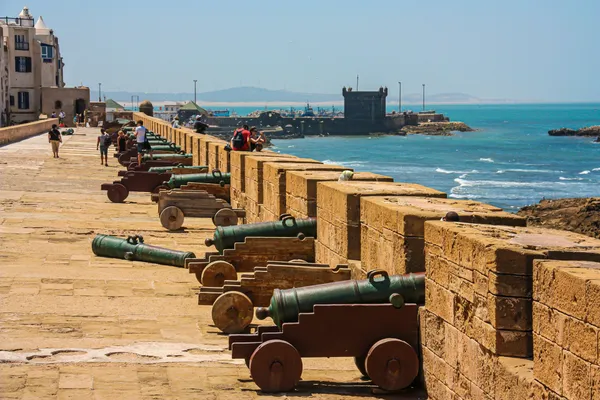

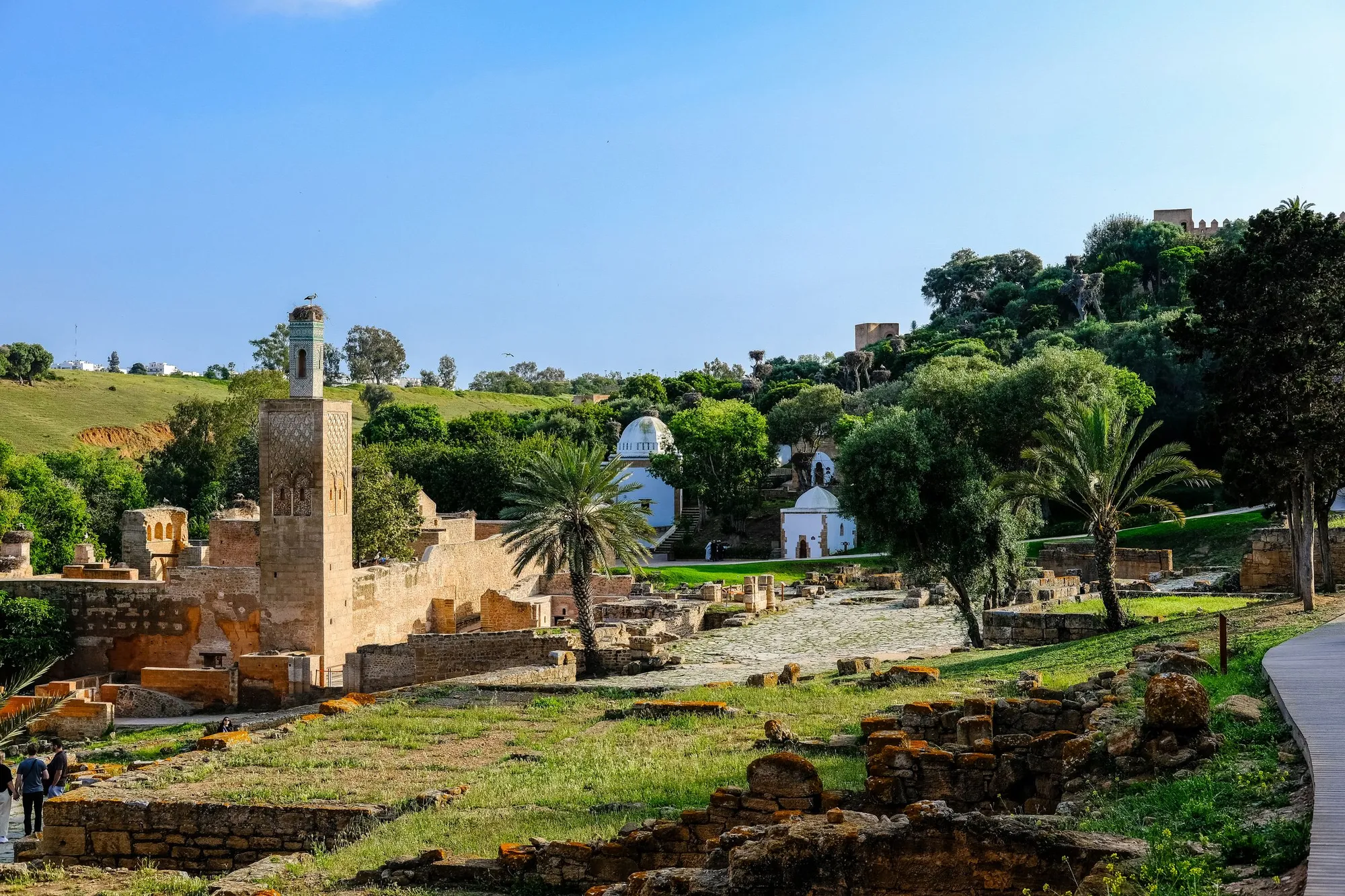
A school trip is a group like no other. The travellers are minors, the real client is a teacher who answers to a head teacher and to parents, and every visit has to justify its place in the programme. Morocco works remarkably well for it: three to four hours by air from most European cities, it puts Roman ruins, Islamic architecture, mountains and desert within one week.
What does the school need before saying yes?
Time, first. Most schools approve a trip abroad months before departure, after a vote and a meeting with families, so the agency's proposal must arrive early and in a form the teacher can present. It should give the daily programme, the accommodation, the number of accompanying adults and the insurance. Entry documents deserve an early check for every pupil, because a class often includes several nationalities, and minors travelling without their parents may need an authorisation required by their own country.
Which themes turn visits into lessons?
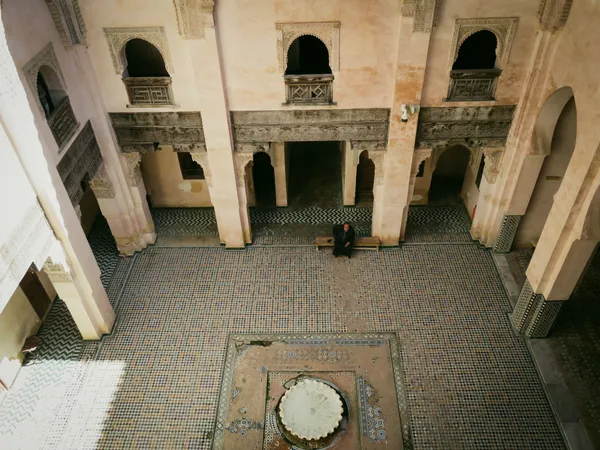
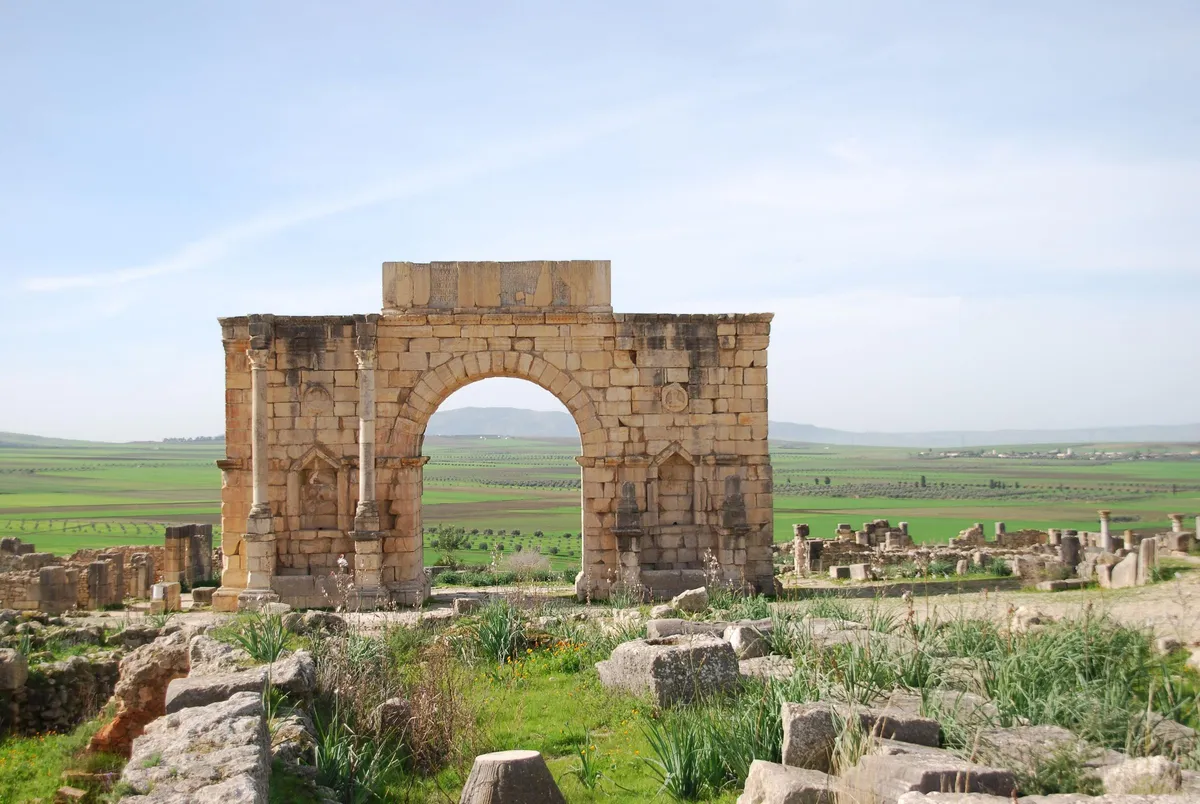
History comes easily: the Roman city of Volubilis, near Meknes, is one of the best preserved in North Africa, and the medersas of Fes and Marrakech show how students lived and studied six centuries ago. Geography follows on the road, from the Atlas to the oases and their ancient irrigation channels. Languages are everywhere, with Arabic, French and the Amazigh alphabet on the road signs. And a women's argan cooperative opens a discussion on rural economy that pupils remember better than a textbook.
How should the days be paced for pupils?
Shorter visits and more activities. Three quarters of an hour in a monument is enough; after that, a calligraphy or zellige workshop, a cooking class or a game in a garden keeps attention alive. Plan one long drive at most every other day, a free hour every afternoon, and early evenings, because teachers need time to gather the group and pupils need sleep. A circuit such as Rabat, Meknes, Volubilis and Fes keeps drives short, as the route in The imperial cities with a group shows.
A class remembers what it touched: the clay in the workshop, the sand of the dune, the hand of the craftsman.
Where does a class sleep?
In hotels rather than riads. A hotel offers rooms for three or four pupils, a floor where teachers can be close to the rooms, and a dining room for the whole group at fixed times. Half board keeps evenings simple. In the desert, a camp with separate tents for boys, girls and adults works well for one night. A DMC in Morocco can propose such hotels in each city, and our end to end page shows how transport, guides and meals are put together around them.