
When an agency prepares a trip to Morocco, it is tempting to book everything directly: the hotel in Marrakech, a riad in Fes, a desert camp. Each property does its own job very well. But a trip, especially a group trip, is also everything that happens between the hotels. That is exactly the role of a DMC, a destination management company, also called an inbound agency.
What does a hotel do for a group?
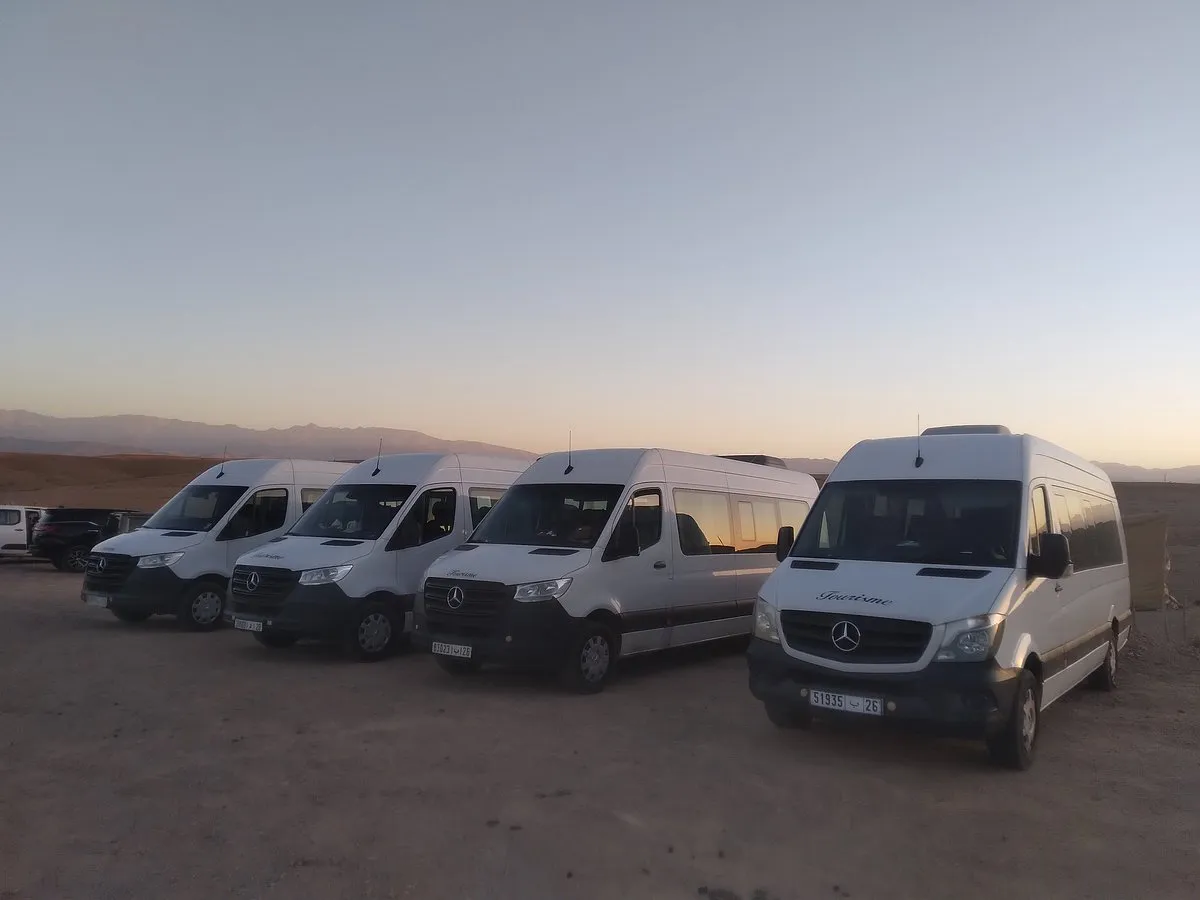
It sleeps them, feeds them, sometimes provides a meeting room, and its concierge can book a taxi or an excursion. Its reach stops at its own walls: it does not manage the road between two cities, the medina guide, or the coach running late.
What does a DMC add?
- It designs the programme: the order of the stops, the driving times, the visits that make sense.
- It books and coordinates every supplier: accommodation, vehicles, official guides, restaurants, activities.
- It negotiates terms built for groups, where a direct booking is usually designed for individual guests.
- It follows the group during the trip and solves problems on the spot.
- It gives the agency a single contact for the whole stay.
Why does a single contact change everything?
A circuit of ten days in Morocco can involve dozens of suppliers. Without a DMC, the agency has to contact, chase and coordinate each of them, often in another language. With a DMC, one conversation is enough: a change made at the last minute reaches every supplier at once.
Are the hotel and the DMC competitors or partners?
Partners. The DMC books hotels for its clients and knows them from the inside: room sizes, meeting room capacity, coach access. The hotel, in turn, receives groups that arrive prepared and on time.
The hotel takes care of the night. The DMC takes care of everything else.